





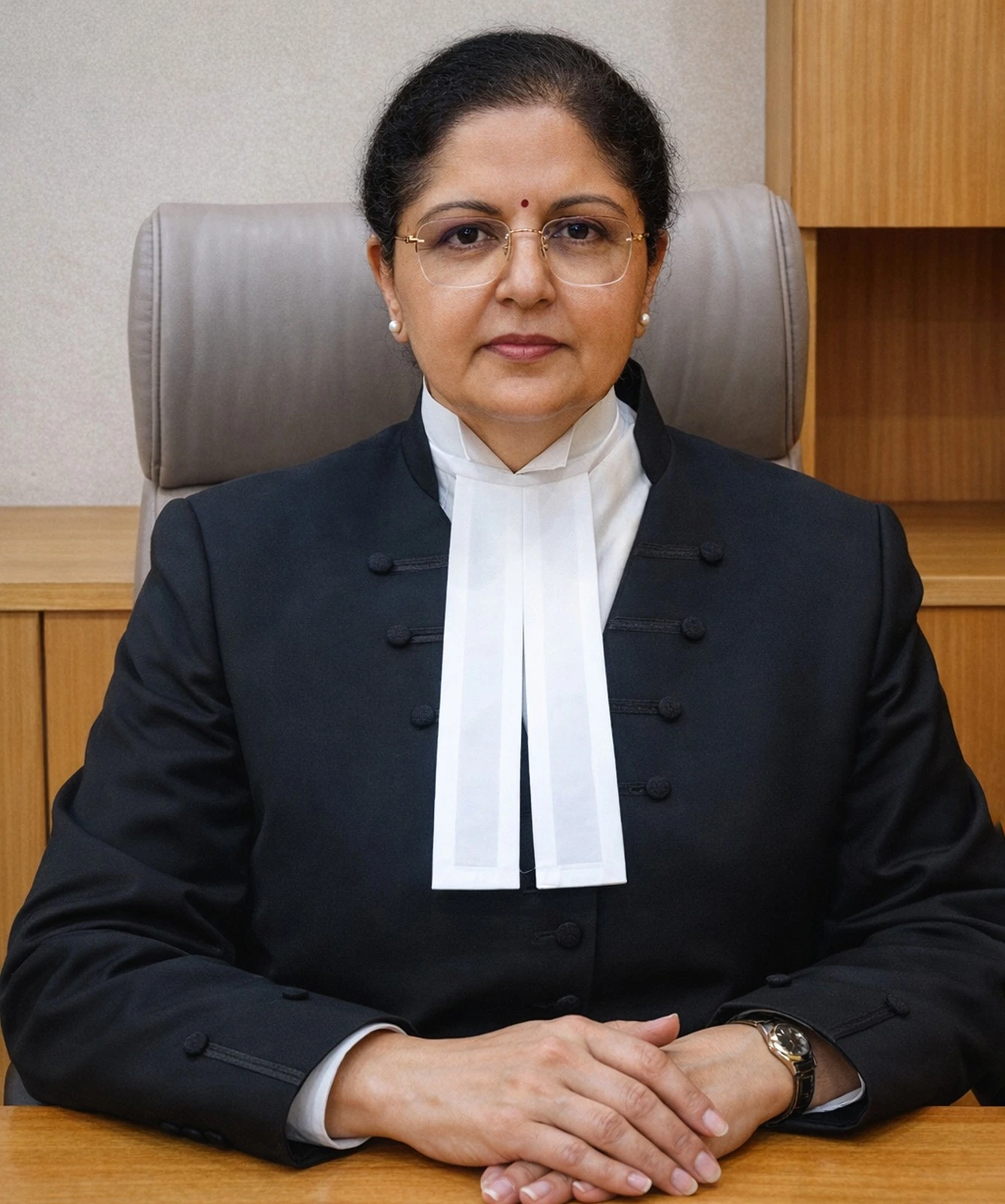
Smt. Justice Lisa Gill
Hon'ble The Chief Justice

Important Announcements


W.P.(C) No. 23/2016
THE ANIMAL WELFARE BOARD OF INDIA VS UNION OF INDIA
The Supreme Court held that Prevention of Cruelty to Animals (Tamil Nadu Amendment) Act, 2017 permitting Jallikattu is not contrary to the Supreme Court’s judgment in A. Nagaraja. The Court held that the issues with Jallikattu pointed out in A. Nagaraja has been overcome by the State Amendment Acts by minimising the pain and suffering to the animals during the conduct of the sport. The Court further held that Jallikattu is part of the cultural heritage of Tamil Nadu and that the fundamental rights to equality and life cannot be extended to animals. The judgment of the Court was authored by Justice Aniruddha Bose.
View Full Judgment

May 16 2023
Civil Appeal/3758/2023
Hon'ble Justice A. S. BOPANNA, DIPANKAR DATTA
JINI DHANRAJGIR & ANR. Vs. SHIBU MATHEW & ANR. ETC.
May 16 2023
Civil Appeal/3758/2023
Honourable Judge A. S. BOPANNA, DIPANKAR DATTA
JINI DHANRAJGIR & ANR. Vs. SHIBU MATHEW & ANR. ETC.

April 26 2021
WP/8838/2021
Hon'ble Justice CHEEKATI MANAVENDRANATH ROY
Siva Ram Prasad V Vs. SECRETARY TO GOVT
April 26 2021
WP/8838/2021
Honourable Judge CHEEKATI MANAVENDRANATH ROY
Siva Ram Prasad V Vs. SECRETARY TO GOVT

The First woman judge of the High Court of Andhra Pradesh
Amareswari was born in Appikatla Village in Guntur District. She graduated with a master's degree in Politics and History from Andhra University College of Law in the year 1949. She completed her bachelor's in law from the same university. She became the first lady judge of the Andhra Pradesh High Court. She was a member of the Bar Council from 1960 to 1961 and was appointed Judge directly from the Bar. She was the Vice-President of the Indian Federation of Women Lawyers.[2] She also worked as the Vice-President of the Andhra Pradesh High Court Advocates Association during the period 1975-1976. In the year 1978 on 29 April she was appointed permanent Judge for Andhra Pradesh High Court. She died on 25 July 2009, in New Delhi where she had been practising as a senior advocate at the Supreme Court. She is survived by a son and daughter.
Hon'ble Smt. Justice K. Amareswari
The First woman judge of the High Court of Andhra Pradesh
Amareswari was born in Appikatla Village in Guntur District. She graduated with a master's degree in Politics and History from Andhra University College of Law in the year 1949. She completed her bachelor's in law from the same university. She became the first lady judge of the Andhra Pradesh High Court. She was a member of the Bar Council from 1960 to 1961 and was appointed Judge directly from the Bar. She was the Vice-President of the Indian Federation of Women Lawyers.[2] She also worked as the Vice-President of the Andhra Pradesh High Court Advocates Association during the period 1975-1976. In the year 1978 on 29 April she was appointed permanent Judge for Andhra Pradesh High Court. She died on 25 July 2009, in New Delhi where she had been practising as a senior advocate at the Supreme Court. She is survived by a son and daughter.


