





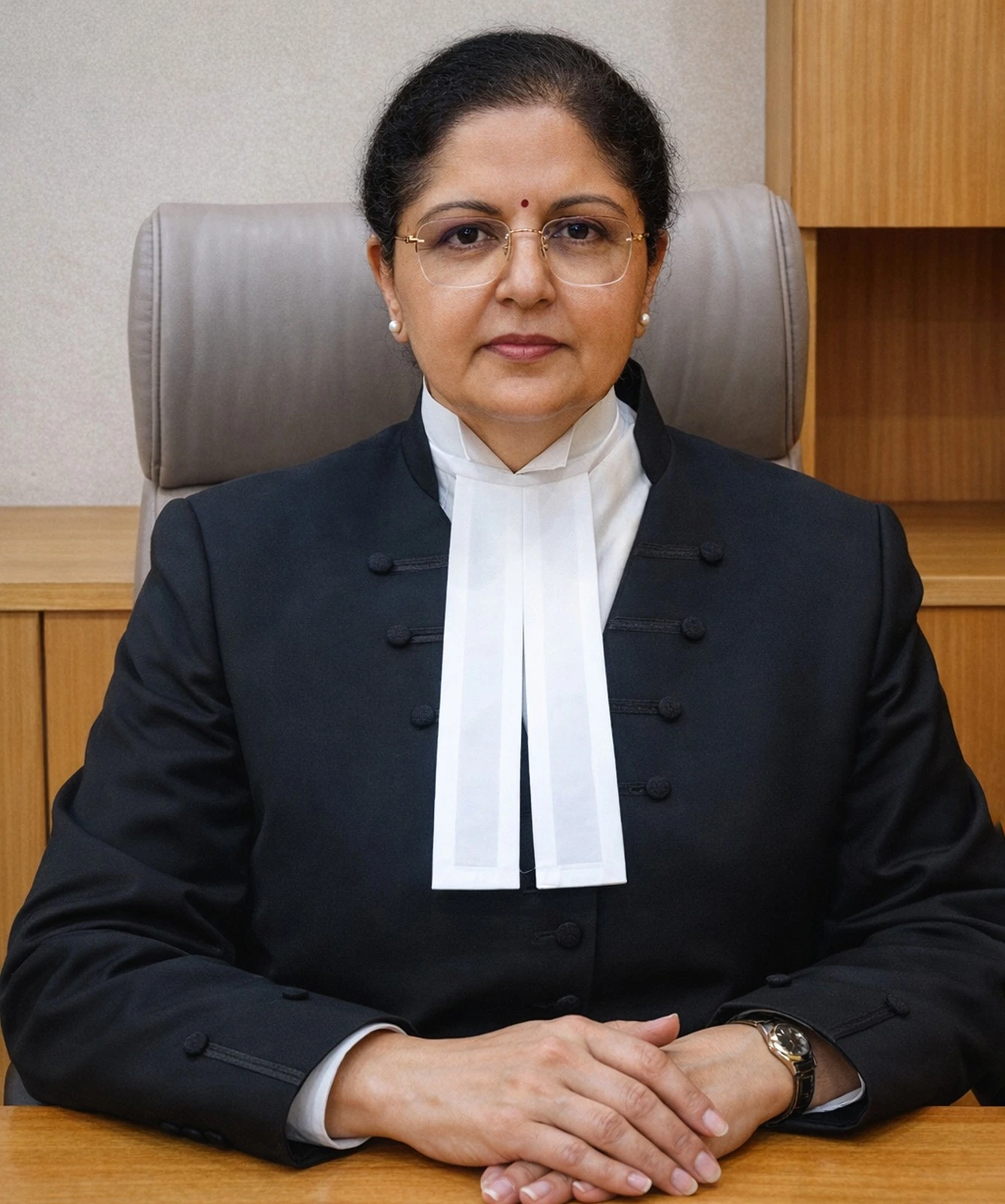
Smt. Justice Lisa Gill
Hon'ble The Chief Justice

Important Announcements


Civil Appeal 1/2025
Reg VS Govinda
Subject to certain exceptions, culpable homicide is murder, if the act by which the death is caused is done (1) With the intention of causing death; (2) With the intention of causing such bodily injury as the offender knows to be likely to cause the death of the person to whom the harm is caused; (3) With the intention of causing bodily injury to any person, and the bodily injury intended to be inflicted is sufficient in the ordinary course of nature to cause death; (4) With the knowledge that the act is so imminently dangerous that it must in all probability cause death, or such bodily injury as is likely to cause death.
View Full Judgment

May 11 2023
Civil Appeal/7121/2022
Hon'ble Justice ABHAY S. OKA, RAJESH BINDAL
M. SURESH KUMAR REDDY Vs. CANARA BANK & ORS.
May 11 2023
Civil Appeal/7121/2022
Honourable Judge ABHAY S. OKA, RAJESH BINDAL
M. SURESH KUMAR REDDY Vs. CANARA BANK & ORS.

March 7 2024
CRLP/2694/2020
Hon'ble Justice VENKATA JYOTHIRMAI PRATAPA
Suresh Khandelwal Vs. N.Mohan Naidu,
March 7 2024
CRLP/2694/2020
Honourable Judge VENKATA JYOTHIRMAI PRATAPA
Suresh Khandelwal Vs. N.Mohan Naidu,
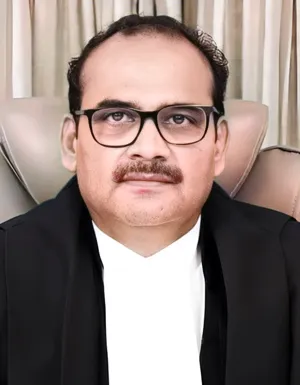
The First Chief Justice of High Court of Andhra Pradesh, Amaravati
Justice J.K. Maheshwari was born on June 29, 1961 in a small town Joura, District Morena (M.P.). He graduated in Arts in 1982 and passed LL.B. in 1985 and completed LL.M in 1991. He was enrolled as an Advocate with the State Bar Council of Madhya Pradesh on November 22, 1985 and practiced in Civil, Criminal, Constitutional, Service and Tax matters. He was the elected member of the M.P. State Bar Council.
He was appointed as Additional Judge of the High Court of Madhya Pradesh on November 25, 2005 and on November 25, 2008, appointed as permanent Judge of the Hon’ble Court.
He was a part of various committees, pertaining to betterment of administration of High court of Madhya Pradesh and continued his good offices till October 06 ,2019. He was transferred as Chief Justice of Andhra Pradesh High Court and assumed office on October 07, 2019. He was the First Chief Justice of the newly established Andhra Pradesh High Court.He was transferred as the Chief Justice of the High Court of Sikkim on January 06, 2021.
He has taken oath as a Judge of the Supreme Court of India on August 31, 2021.
Hon'ble Sri Justice J.K. Maheshwari
The First Chief Justice of High Court of Andhra Pradesh, Amaravati
Justice J.K. Maheshwari was born on June 29, 1961 in a small town Joura, District Morena (M.P.). He graduated in Arts in 1982 and passed LL.B. in 1985 and completed LL.M in 1991. He was enrolled as an Advocate with the State Bar Council of Madhya Pradesh on November 22, 1985 and practiced in Civil, Criminal, Constitutional, Service and Tax matters. He was the elected member of the M.P. State Bar Council.
He was appointed as Additional Judge of the High Court of Madhya Pradesh on November 25, 2005 and on November 25, 2008, appointed as permanent Judge of the Hon’ble Court.
He was a part of various committees, pertaining to betterment of administration of High court of Madhya Pradesh and continued his good offices till October 06 ,2019. He was transferred as Chief Justice of Andhra Pradesh High Court and assumed office on October 07, 2019. He was the First Chief Justice of the newly established Andhra Pradesh High Court.He was transferred as the Chief Justice of the High Court of Sikkim on January 06, 2021.
He has taken oath as a Judge of the Supreme Court of India on August 31, 2021.


