




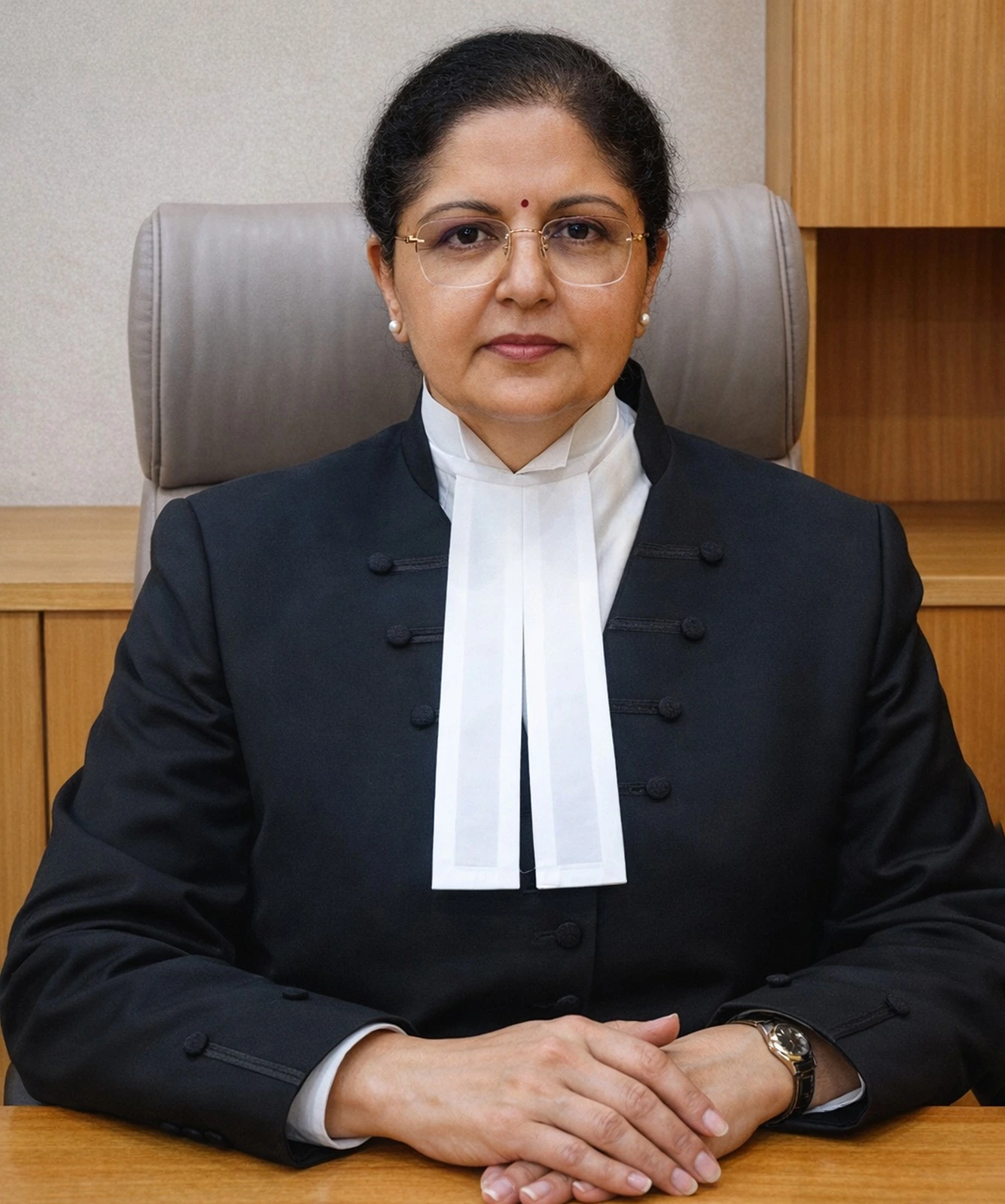
Smt. Justice Lisa Gill
Hon'ble The Chief Justice

Important Announcements


W.P.(C) No. 1011/2022
SUPRIYO @ SUPRIYA CHAKRABORTY VS UNION OF INDIA
The Constitution Bench (five judges) wrote four opinions. All five Judges found that there is no fundamental right to marry under the Constitution. All five Judges further held that the Special Marriage Act, 1954 allows marriage only between a male and a female and cannot be interpreted to cover non-hetrosexual marriages as this would amount to an extensive re-writing of the law beyond the role of the Court. However, the Court did not strike down the SMA as unconstitutional.A majority of three judges (Chief Justice Chandrachud, Justice Bhat, and Justice Kohli) expressly stated that transgender persons in heterosexual relationships as well as Intersex persons who identify as either male or female have the right to marry under existing law.By a 3:2 majority, the Supreme Court held that non-heterosexual couples do not have the right to enter into a civil union unless the legislature changes the laws. This 3:2 majority further held that unmarried couples (including queer/non-heterosexual couples) do not have the right to jointly adopt a child under the Juvenile Justice (Care and Protection of Children) Act, 2015 (“JJ Act”). The opinions of Justice Bhat (joined by Justice Kohli) and Justice Narasimha formed the majority opinion of the Court on these issues.The minority found that non-hetrosexual couples have a right to enter into a civil union. The minority found that a failure to recognise civil unions would violate Article 15 of the Constitution. The minority further interpreted Section 57 of the JJ Act to allow unmarried couples to adopt and consequently struck down Regulation 5(3) of the Central Adoption Resource Authority (“CARA”) Adoption Regulation, which limits adoption only to single individuals and married couples who are in a stable marital relationship. The opinions of Justice Chandrachud and Justice Kaul constituted the minority opinion of the Court.The Supreme Court acknowledged that members of the LGBTQIA+ community faced a variety of legal disadvantages and directed the Union Government to constitute a committee chaired by the Union Cabinet Secretary to set out the rights and benefits queer couples in civil unions would be entitled to.
View Full Judgment

August 12 1994
Special Leave Petition (Crl.) No. /135/1994
Hon'ble Justice M.N. VENKATACHALIAH CJI , R.M. SAHAI , S. MOHAN
RAKESH KAUL AND ORS Vs. THE REGISTRAR HIGH COURT OF JAMMU AND KASHMIR
August 12 1994
Special Leave Petition (Crl.) No. /135/1994
Honourable Judge M.N. VENKATACHALIAH CJI , R.M. SAHAI , S. MOHAN
RAKESH KAUL AND ORS Vs. THE REGISTRAR HIGH COURT OF JAMMU AND KASHMIR

December 15 2021
WP/38026/2015
Hon'ble Justice KONGARA VIJAYA LAKSHMI
Smt. Nannagaram Praveena, Vs. State of Andhra Pradesh,
December 15 2021
WP/38026/2015
Honourable Judge KONGARA VIJAYA LAKSHMI
Smt. Nannagaram Praveena, Vs. State of Andhra Pradesh,
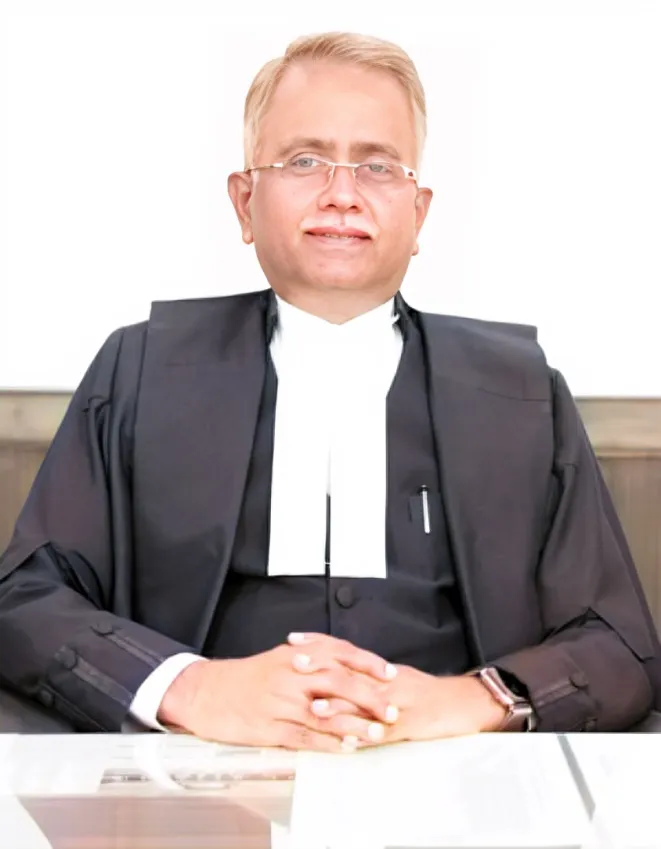
The First judge of the High Court of Andhra Pradesh, Amaravati elevated to Supreme Court of India.
Justice S.V.N Bhatti was born on May 6, 1962. He is a Graduate of Commerce and Law, enrolled in the Bar Council of Andhra Pradesh on January 21, 1987. He started practicing in the Trial Court at Madanapalle, Andhra Pradesh, and moved to the High Court of Andhra Pradesh at Hyderabad. He was the Standing Counsel for a few Public Sector Undertakings/Statutory Bodies. He served as a Special Government Pleader in the Office of Advocate General at the High Court from 2000 to 2003. He practiced on the Original and Appellate side in the High Court of Judicature Andhra Pradesh at Hyderabad before becoming a Judge of the High Court of Andhra Pradesh on April 12, 2013. He presided as a Judge of the High Court at Hyderabad for the States of Andhra Pradesh and Telangana. On the establishment of the High Court of Andhra Pradesh at Amaravati, he was transferred to the High Court of Andhra Pradesh, Amaravati, and worked till March 18, 2019. He was transferred to the High Court of Kerala at Ernakulam and assumed Office on March 19, 2019. He was the Acting Chief Justice of the High Court of Kerala from April 24, 2023, till he became the Chief Justice of the High Court of Kerala on June 1, 2023.
On July 14, 2023, he was sworn in as a Judge of the Supreme Court of India.
Hon'ble Sri Justice Sarasa Venkatanarayana Bhatti
The First judge of the High Court of Andhra Pradesh, Amaravati elevated to Supreme Court of India.
Justice S.V.N Bhatti was born on May 6, 1962. He is a Graduate of Commerce and Law, enrolled in the Bar Council of Andhra Pradesh on January 21, 1987. He started practicing in the Trial Court at Madanapalle, Andhra Pradesh, and moved to the High Court of Andhra Pradesh at Hyderabad. He was the Standing Counsel for a few Public Sector Undertakings/Statutory Bodies. He served as a Special Government Pleader in the Office of Advocate General at the High Court from 2000 to 2003. He practiced on the Original and Appellate side in the High Court of Judicature Andhra Pradesh at Hyderabad before becoming a Judge of the High Court of Andhra Pradesh on April 12, 2013. He presided as a Judge of the High Court at Hyderabad for the States of Andhra Pradesh and Telangana. On the establishment of the High Court of Andhra Pradesh at Amaravati, he was transferred to the High Court of Andhra Pradesh, Amaravati, and worked till March 18, 2019. He was transferred to the High Court of Kerala at Ernakulam and assumed Office on March 19, 2019. He was the Acting Chief Justice of the High Court of Kerala from April 24, 2023, till he became the Chief Justice of the High Court of Kerala on June 1, 2023.
On July 14, 2023, he was sworn in as a Judge of the Supreme Court of India.


