




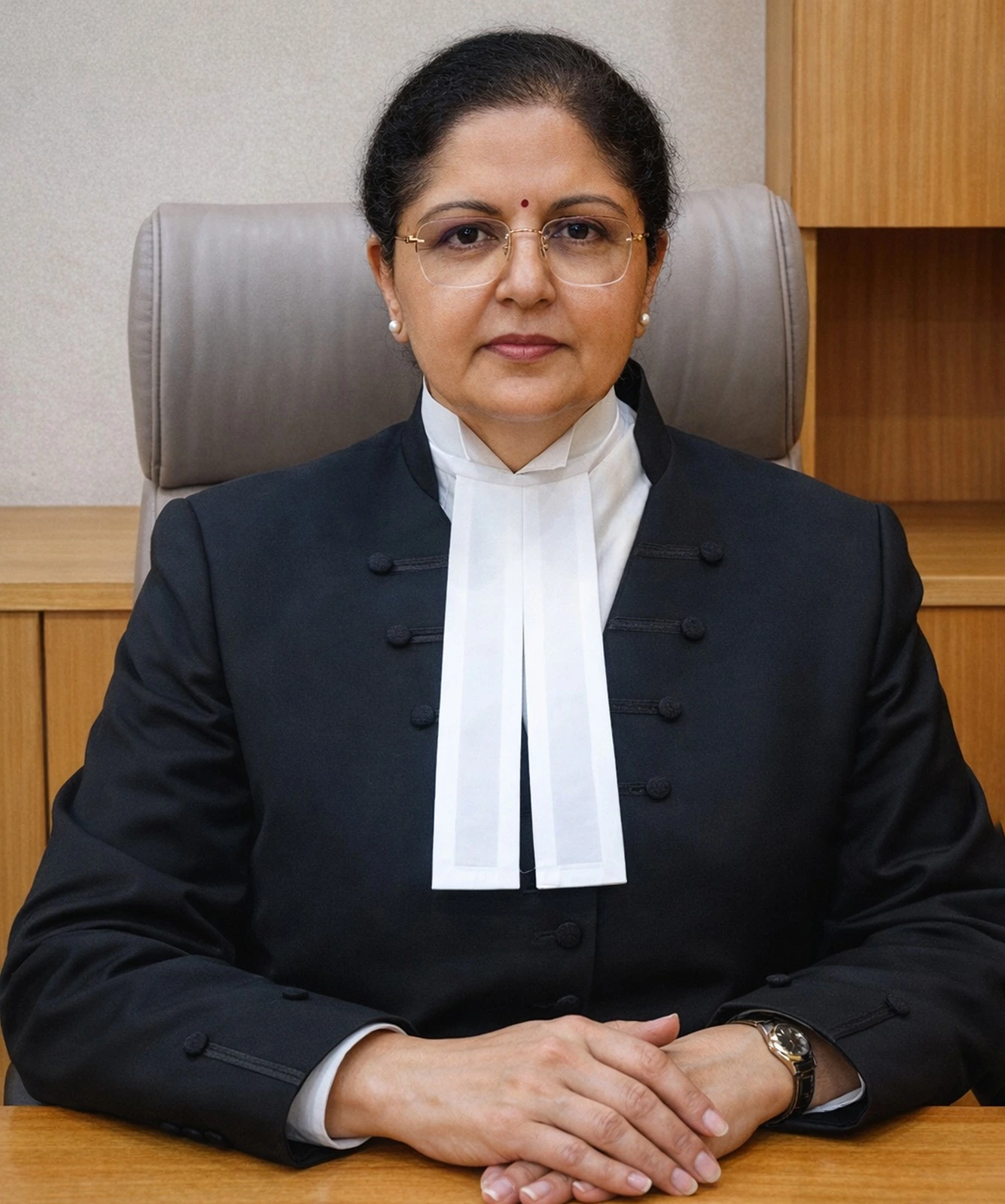
Smt. Justice Lisa Gill
Hon'ble The Chief Justice

Important Announcements


W.P.(C) No. 1011/2022
SUPRIYO @ SUPRIYA CHAKRABORTY VS UNION OF INDIA
The Constitution Bench (five judges) wrote four opinions. All five Judges found that there is no fundamental right to marry under the Constitution. All five Judges further held that the Special Marriage Act, 1954 allows marriage only between a male and a female and cannot be interpreted to cover non-hetrosexual marriages as this would amount to an extensive re-writing of the law beyond the role of the Court. However, the Court did not strike down the SMA as unconstitutional.A majority of three judges (Chief Justice Chandrachud, Justice Bhat, and Justice Kohli) expressly stated that transgender persons in heterosexual relationships as well as Intersex persons who identify as either male or female have the right to marry under existing law.By a 3:2 majority, the Supreme Court held that non-heterosexual couples do not have the right to enter into a civil union unless the legislature changes the laws. This 3:2 majority further held that unmarried couples (including queer/non-heterosexual couples) do not have the right to jointly adopt a child under the Juvenile Justice (Care and Protection of Children) Act, 2015 (“JJ Act”). The opinions of Justice Bhat (joined by Justice Kohli) and Justice Narasimha formed the majority opinion of the Court on these issues.The minority found that non-hetrosexual couples have a right to enter into a civil union. The minority found that a failure to recognise civil unions would violate Article 15 of the Constitution. The minority further interpreted Section 57 of the JJ Act to allow unmarried couples to adopt and consequently struck down Regulation 5(3) of the Central Adoption Resource Authority (“CARA”) Adoption Regulation, which limits adoption only to single individuals and married couples who are in a stable marital relationship. The opinions of Justice Chandrachud and Justice Kaul constituted the minority opinion of the Court.The Supreme Court acknowledged that members of the LGBTQIA+ community faced a variety of legal disadvantages and directed the Union Government to constitute a committee chaired by the Union Cabinet Secretary to set out the rights and benefits queer couples in civil unions would be entitled to.
View Full Judgment

February 6 1964
Civil Appeal/542/1962
Hon'ble Justice P. B. GAJENDRAGADKAR C.J., K. N. WANCHOO, K. c. DAS GUPTA, J.C. SHAH AND N. RAJAGOPALA AYYANGAR
SHREE BAJRANG JUTE MILLS LTD. Vs. STATE OF ANDHRA PRADESH
February 6 1964
Civil Appeal/542/1962
Honourable Judge P. B. GAJENDRAGADKAR C.J., K. N. WANCHOO, K. c. DAS GUPTA, J.C. SHAH AND N. RAJAGOPALA AYYANGAR
SHREE BAJRANG JUTE MILLS LTD. Vs. STATE OF ANDHRA PRADESH

February 18 2021
WP/23218/2020
Hon'ble Justice JOYMALYA BAGCHI,
A V SESHA SAI
INDIAN POTASH LIMITED Vs. THE STATE OF AP
February 18 2021
WP/23218/2020
Honourable Judge JOYMALYA BAGCHI,
A V SESHA SAI
INDIAN POTASH LIMITED Vs. THE STATE OF AP

The First woman judge of the High Court of Andhra Pradesh
Amareswari was born in Appikatla Village in Guntur District. She graduated with a master's degree in Politics and History from Andhra University College of Law in the year 1949. She completed her bachelor's in law from the same university. She became the first lady judge of the Andhra Pradesh High Court. She was a member of the Bar Council from 1960 to 1961 and was appointed Judge directly from the Bar. She was the Vice-President of the Indian Federation of Women Lawyers.[2] She also worked as the Vice-President of the Andhra Pradesh High Court Advocates Association during the period 1975-1976. In the year 1978 on 29 April she was appointed permanent Judge for Andhra Pradesh High Court. She died on 25 July 2009, in New Delhi where she had been practising as a senior advocate at the Supreme Court. She is survived by a son and daughter.
Hon'ble Smt. Justice K. Amareswari
The First woman judge of the High Court of Andhra Pradesh
Amareswari was born in Appikatla Village in Guntur District. She graduated with a master's degree in Politics and History from Andhra University College of Law in the year 1949. She completed her bachelor's in law from the same university. She became the first lady judge of the Andhra Pradesh High Court. She was a member of the Bar Council from 1960 to 1961 and was appointed Judge directly from the Bar. She was the Vice-President of the Indian Federation of Women Lawyers.[2] She also worked as the Vice-President of the Andhra Pradesh High Court Advocates Association during the period 1975-1976. In the year 1978 on 29 April she was appointed permanent Judge for Andhra Pradesh High Court. She died on 25 July 2009, in New Delhi where she had been practising as a senior advocate at the Supreme Court. She is survived by a son and daughter.


